


e-TRNL Energy Secures ₹274 Million to Scale Next Generation Battery Cell Innovation
The company plans to establish a 250 MWh pilot manufacturing facility by 2027
February 17, 2026

Follow Mercom India on WhatsApp for exclusive updates on clean energy news and insights
Bengaluru-based battery cell manufacturer, e-TRNL Energy, has secured ₹274 million (~$3.02 million) in seed funding, led by IAN Group’s IAN Alpha Fund with participation from Navam Capital, Speciale Invest, and other investors.
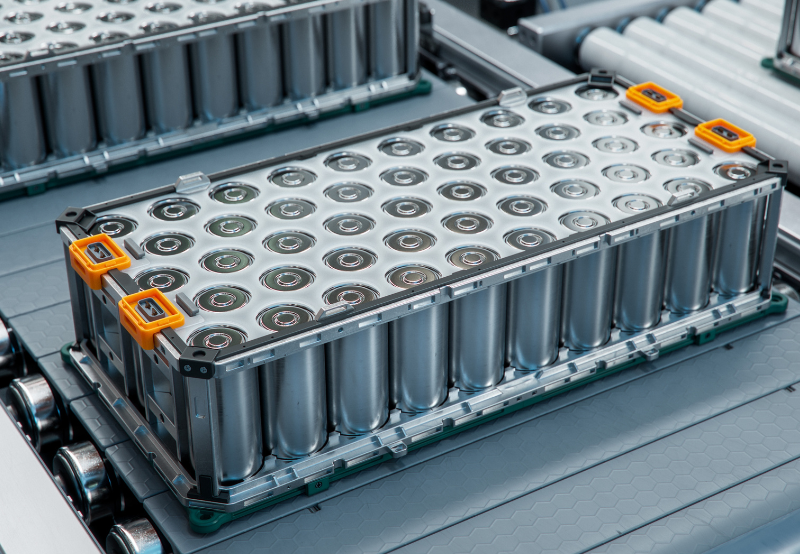
This capital injection will be used to complete product development, validate performance and safety, and demonstrate domestic manufacturing capabilities for its next-generation battery cells.
With this funding, e-TRNL Energy plans to establish a 250 MWh pilot manufacturing facility by 2027, with a roadmap to expand to 2 GWh capacity in future phases.
The company has spent the past few years developing a fundamentally different battery cell architecture and manufacturing process that aims for safer operation (less heat), faster charging, longer life, and higher energy density compared with conventional designs.
e-TRNL Energy operates a 20,000-square-foot R&D and early manufacturing facility in Bengaluru, and is preparing to move toward scalable commercialization. It has been granted two patents for its battery cell design and has filed additional patent applications.
According to Apoorv Shaligram, Co-founder and Chief Executive Officer at e-TRNL Energy, the company will move towards demonstration, testing, and scaling its innovation for commercialization with the funding.
Its first commercial product will be based on Lithium Iron Phosphate (LFP) chemistry, with plans to develop additional formats such as LMFP and sodium-ion batteries over time.
The company aims to supply cells to battery pack manufacturers serving the rapidly growing electric mobility and battery storage markets.
Battery storage is fast becoming an integral part of India’s clean energy drive. As of June 2025, the cumulative installed battery storage capacity stood at 490 MWh, with solar-plus-storage projects accounting for the majority of deployments. Nearly 74.8 GWh of storage-linked capacity is under various stages of the tendering process, according to the ‘Levelized Cost of Storage (LCOS) and Bidding Trends in Indian Energy Storage Projects’ report released by Mercom India Research.


Rakesh Ranjan
More articles from Rakesh Ranjan.