

Peak Energy to Set Up 4 GWh Sodium-ion Battery Storage Plant in Sacramento
The company has over 6 GWh of customer commitments in place
July 13, 2026

Follow Mercom India on WhatsApp for exclusive updates on clean energy news and insights
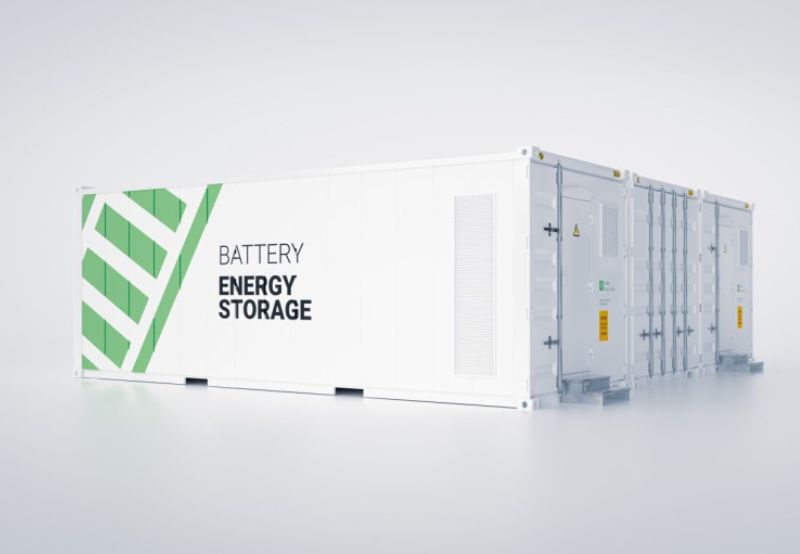
Peak Energy has announced it will set up a facility to manufacture up to 4 GWh of grid-scale sodium-ion battery energy storage systems annually, in Sacramento, California.
With more than 6 GWh of customer commitments already in place, the facility will help the U.S. meet the rapidly increasing energy storage demand, fueled by the expansion of AI and data centers, while advancing energy security and domestic manufacturing, Peak Energy said.
The company said its passively cooled sodium-ion battery energy storage systems, which reduce the cost of energy storage by 20% and have a 99% guaranteed uptime, are expected to enter production and begin shipments in the first quarter of 2027.
Located in Sacramento’s Metro Air Park, the facility represents up to $71 million in capital investment. The project is expected to generate additional economic activity for local suppliers, contractors, logistics providers and service businesses throughout the Sacramento region.
In 2024, Peak Energy had secured $55 million in a Series A funding round led by Xora Innovation, Temasek’s Early-Stage deep-tech investing platform, to commercialize sodium-ion battery technology and launch a pilot program.
To date, Peak has secured customer agreements with Jupiter Power, Energy Vault and RWE Americas and recently announced a strategic partnership with General Motors, including an investment from GM Ventures, to pair GM’s next-generation sodium-ion cell technology with Peak’s proprietary energy storage platform.
Peak said it is commercializing the world’s first fully passive grid-scale energy storage system, engineered to operate for more than 20 years without scheduled maintenance and designed as a drop-in replacement for today’s battery energy storage systems. In California alone, eliminating battery refrigeration costs could save ratepayers an average of $100 million annually while helping lower the overall cost of energy storage and deliver more affordable electricity.
Researchers at the Tokyo University of Science claimed that sodium-ion batteries could charge faster than lithium-ion batteries. Their study stated that sodium insertion into hard carbon is intrinsically faster than lithium insertion, challenging the assumption that lithium-based systems are always superior in performance.


B.S. Nagaraj
More articles from B.S. Nagaraj.