India Targets 60% Non-Fossil Power Capacity, 47% Emission Cuts by 2035

The NDC aims to establish a carbon sink of 4 billion tons of CO₂ equivalent by 2035

thumbnail

Follow Mercom India on WhatsApp for exclusive updates on clean energy news and insights


India aims to cut its emissions intensity by 47% from 2005 levels by 2035, reach 60% of its total installed power capacity from non-fossil fuel sources by 2035, and establish a carbon sink of 3.5 to 4 billion tons of CO₂ equivalent through forest cover by 2035, according to the new Nationally Determined Contribution (NDC) for 2031-2035.

The Union Cabinet recently approved the NDC.

India’s original 2015 targets for 2030 included a 33-35% reduction in emissions intensity and a 40% share of non-fossil installed power capacity, both of which were achieved early.

The country’s emissions intensity had already fallen 36% between 2005 and 2020, and non-fossil installed capacity reached 52.3% as of January 2026. Renewables accounted for 263.18 GW, or 50.6% of the total, with solar alone contributing 140.60 GW, or 27%, making it the largest single source in the capacity mix.

Accelerating Clean Energy Push

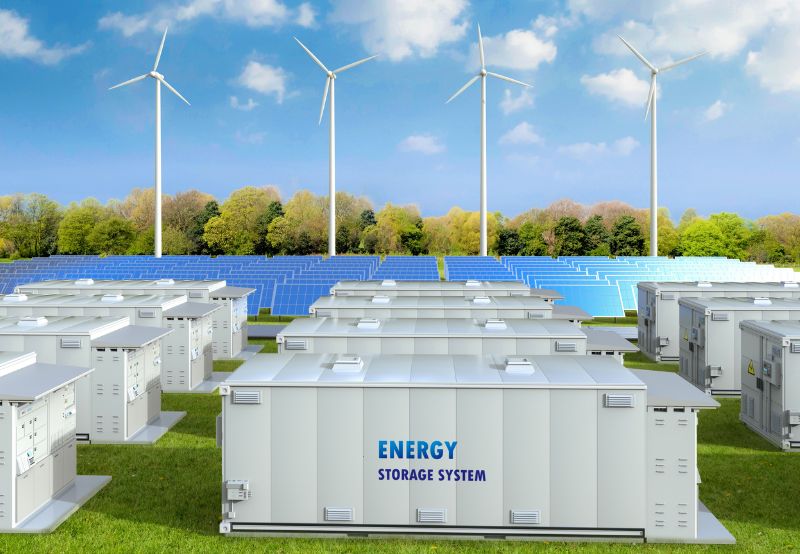
The NDC outlines how India plans to pursue these goals. It points to renewable energy expansion, battery storage, green energy corridors, cleaner manufacturing, green hydrogen, PM Surya Ghar, Pradhan Mantri Kisan Urja Suraksha Evam Utthaan Mahabhiyan, Production Linked Incentive programs, carbon capture, and nuclear energy as part of the mitigation strategy.

India’s push for the climate action agenda is highlighted by partnerships with international platforms, including the International Solar Alliance, the Coalition for Disaster Resilient Infrastructure, the Global Biofuel Alliance, and the Leadership Group for Industry Transition.

Climate Adaptation

Key adaptation measures toward climate goals outlined in the NDC include protecting vulnerable coastlines through mangrove restoration, coastal regulation, and climate-resilient infrastructure; strengthening early warning systems for cyclones and storm surges; and implementing targeted initiatives for glacier monitoring and biodiversity conservation.

India’s climate action framework implements its NDC targets through the national action plan on climate change, nine national missions, and state action plans on climate change. These are implemented in coordination with various central and state government programs, ensuring a comprehensive approach to achieving climate-resilient, low-carbon development.

Last September, the Ministry of Environment, Forest, and Climate Change constituted the National Designated Authority to implement Article 6 of the Paris Agreement and establish mechanisms for carbon markets. It establishes the institutional framework to oversee the evaluation, approval, authorization, and regulation of projects and emission-reduction units under Article 6 of the Paris Agreement, which governs international cooperation through market and non-market mechanisms.

RELATED POSTS

Get the most relevant India solar and clean energy news.

RECENT POSTS