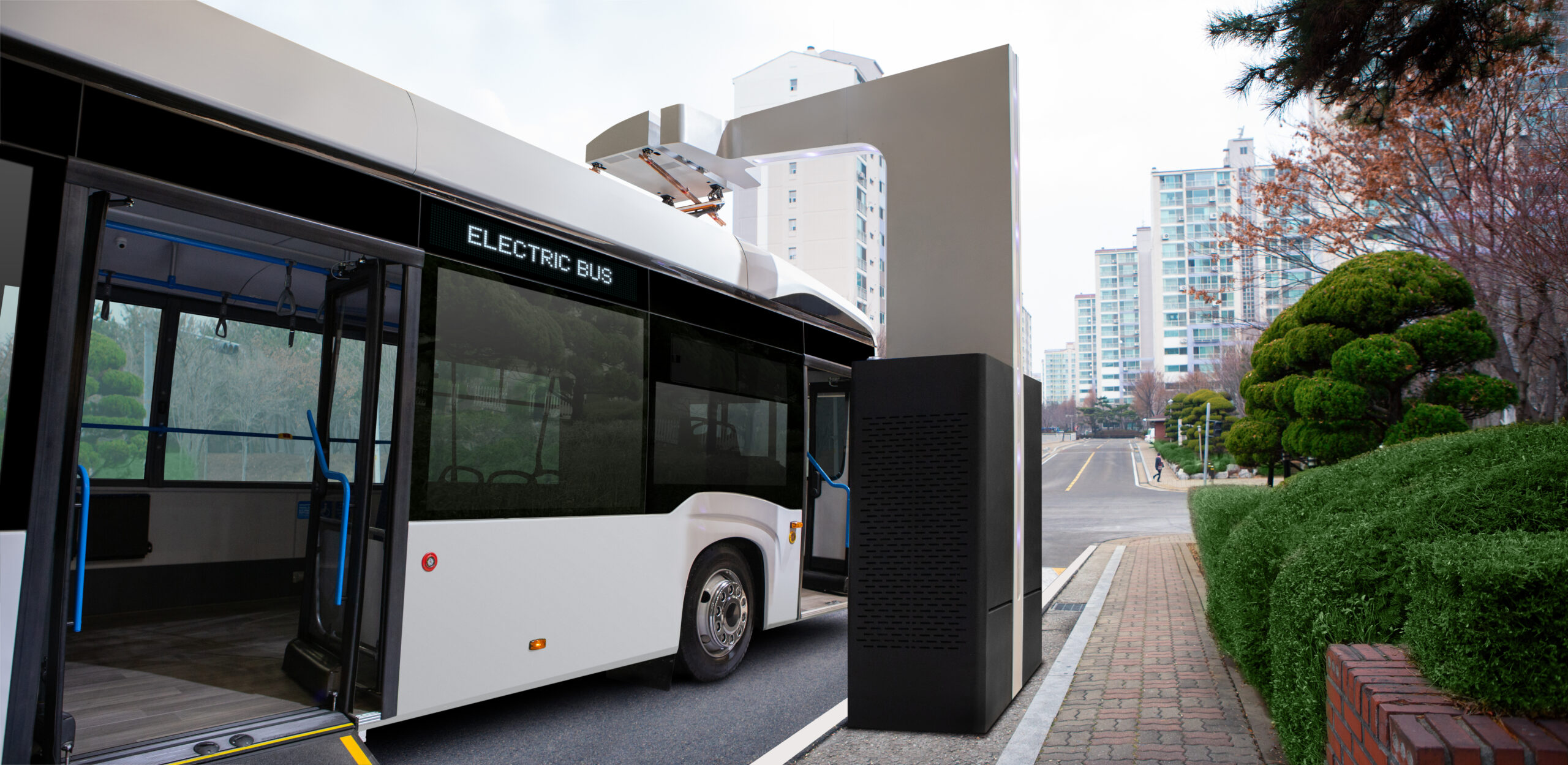
Government Notifies Performance Standards for EVs Under PM E-DRIVE Program

The amendments have revised the performance criteria for EVs

thumbnail

Follow Mercom India on WhatsApp for exclusive updates on clean energy news and insights


The Ministry of Heavy Industries (MHI) has notified amendments to the Production-Linked Incentive (PLI) program for the automobile and auto components industry.

The amendments have revised the performance criteria for electric vehicles (EVs) eligible for incentives and aligned them with new national electric mobility programs, such as the PM Electric Drive Revolution in Innovative Vehicle Enhancement (PM E-DRIVE) program.

Earlier, under the PLI-auto notification, EVs were eligible for incentives if they met the FAME-II criteria; now, it is linked to category-specific performance criteria. EVs meeting the respective category’s performance standards will qualify for PLI benefits.

According to the amendments, EVs should meet the requirements set out in Annexure 3 of the PM E-DRIVE program.

Requirements Under Annexure 3

Under Annexure 3 of the PM E-DRIVE, electric two-wheelers (e-2W) (L1/L2) should have a minimum range of 80 km, with the energy consumption at 7 kWh/100 km. The maximum speed should be 40 km/hour, with a minimum acceleration of 0.65m/s².

For e-rickshaws and e-carts, the range should be 80 km with an energy consumption of 8 kWh/100 km. All EVs must have regenerative braking.

Also, for electric three-wheelers (e-3W) (L5), the range should be 80 km with an energy consumption of 10 kWh/100km, with a maximum speed of 40 km/hour and a minimum acceleration of 0.65 m/s²

Similarly, for e-buses with a length ≤ 9 m (M3), the minimum range should be 140 km, the maximum energy consumption should be less than 100 kWh/100 km, and the maximum speed should be 70 km/h. The minimum acceleration should be 0.8m/m/s²

For e-buses of lengths greater than 9 m and up to 12m (M3), the minimum range should be 140 km, with maximum energy consumption of less than 140 kWh/100 km. The maximum speed should be 70 km/h with a minimum acceleration of 0.8 m/s².

Electric trucks have been classified into two groups:

  • N2 – trucks with gross vehicle weight (GVW) more than 3.5 tons but not exceeding 12 tons
  • N3 – trucks with GVW exceeding 12 tons but under 55 tons

For electric trucks (N2), the minimum range should be 80 km, with maximum electric consumption ≤ 150 kWh/100 km. The maximum speed should be 60 km/h, and the minimum acceleration should be 0.8 m/s².

Additionally, for electricity trucks N3, the minimum range should be 100 km, with a minimum speed of 60 km/h and a minimum acceleration of 0.5m/s²

The PLI amendment has introduced new criteria for battery electric quadricycles, rather than relying on an external program. It sets the minimum range at 80 km, with a maximum energy consumption of less than 12 kWh/100 km. The minimum speed should be 40 km/h, with a minimum acceleration of 0.65 m/s².

In August, MHI modified the incentives for e-3W under the PM E-DRIVE program. The incentives were modified for two segments. For the first segment (registered e-rickshaws and e-carts), the Government reduced the incentives to ₹2,500 (~$28.56)/kWh, capped at ₹12,500 (~$142.79) per vehicle for the financial year (FY) 2026, from ₹5,000 (~$57.12)/kWh, capped at ₹25,000 (~$285.59) per vehicle for FY 2025.

Earlier, the Government amended the Phased Manufacturing Program for EV public charging stations component of the PM E-DRIVE program.

RELATED POSTS

Get the most relevant India solar and clean energy news.

RECENT POSTS