


Chambal Fertilisers to Procure Power from Clean Max’s 5 MW Hybrid Project
The company plans to invest up to ₹60 million to acquire a 26% stake in the captive power project
October 19, 2026

Follow Mercom India on WhatsApp for exclusive updates on clean energy news and insights
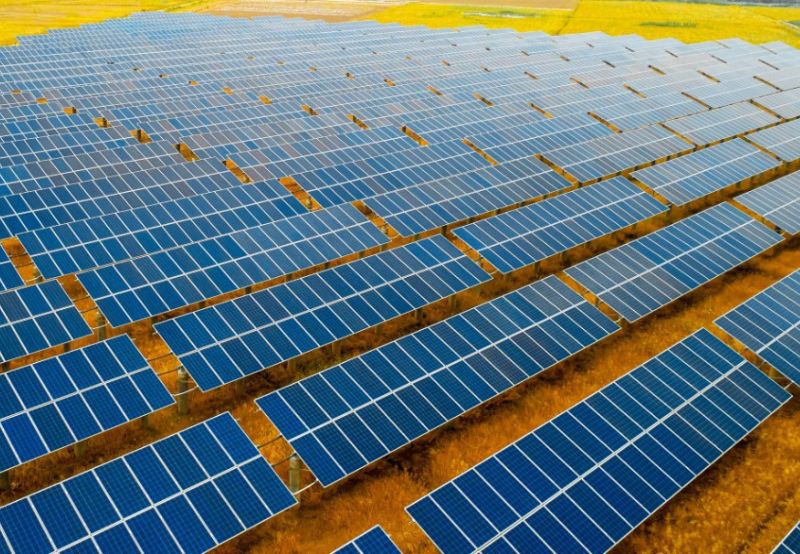
Fertilizer manufacturer Chambal Fertilisers and Chemicals will procure renewable power from Clean Max’s 5 MW captive wind-solar hybrid project in Rajasthan.
Chambal Fertilisers has three urea plants in Gadepan, Kota, Rajasthan.
The company will acquire a 26% stake in Clean Max Hachi, a special purpose vehicle (SPV) of Clean Max Enviro Energy Solutions.
The company has entered into a share purchase agreement with Clean Max Enviro and Clean Max Hachi to invest up to ₹60 million (~$633,085) in the SPV.
The acquisition is expected to be completed within two months of signing the share purchase agreement.
Apart from urea, the company also markets complex fertilizers such as diammonium phosphate, triple superphosphate, muriate of potash, and NPK fertilizers, along with crop protection chemicals and specialty nutrients, including biologicals. It also entered the seeds business in last year.
According to Chambal Fertilisers’ annual reports, the company installed a cumulative 1 MW of rooftop solar systems at its Gadepan campus. The rooftop systems generated 1.52 million kWh of clean power.
The company has set a target to increase renewables’ share in its power mix to 10%.
According to Mercom India’s Q2 2026 India Solar Open Access Market Report, India added nearly 6 GW of solar open access capacity in the first half of calendar year 2026, up 42% year-over-year from 4 GW.
Rajasthan led solar open access capacity additions in Q2 2026, accounting for 25% of the total, while the top five states contributed 91% of quarterly installations.
Demand across these markets came from a broad base of commercial and industrial (C&I) consumers, including the automotive, cement, chemicals, electrical and electronics, fast-moving consumer goods, healthcare, information technology, data center, petroleum, pharmaceutical, and textile sectors.
Of the 13 states analyzed by Mercom, nine registered a quarter-over-quarter increase in landed open access costs, primarily due to higher power purchase agreement (PPA) tariffs. In Rajasthan, PPA tariffs increased the least among the 13 states, rising by just over 1%.


Melvin Mathew
More articles from Melvin Mathew.